
A Strategic College Prep Guide for Junior Golfers


Golf is a sport that helps in building physical skills, along with shaping the character of a player. It helps in building discipline, patience, and competitive spirit. For young athletes, golf helps to develop these traits early, helping them on and off the course.
When I was growing up college recruiting was something to think about during junior or senior year. However, as things have evolved college golf has become much more competitive, and waiting too long may result in losing opportunities. The truth is that the training should start by the time they are in ninth grade.
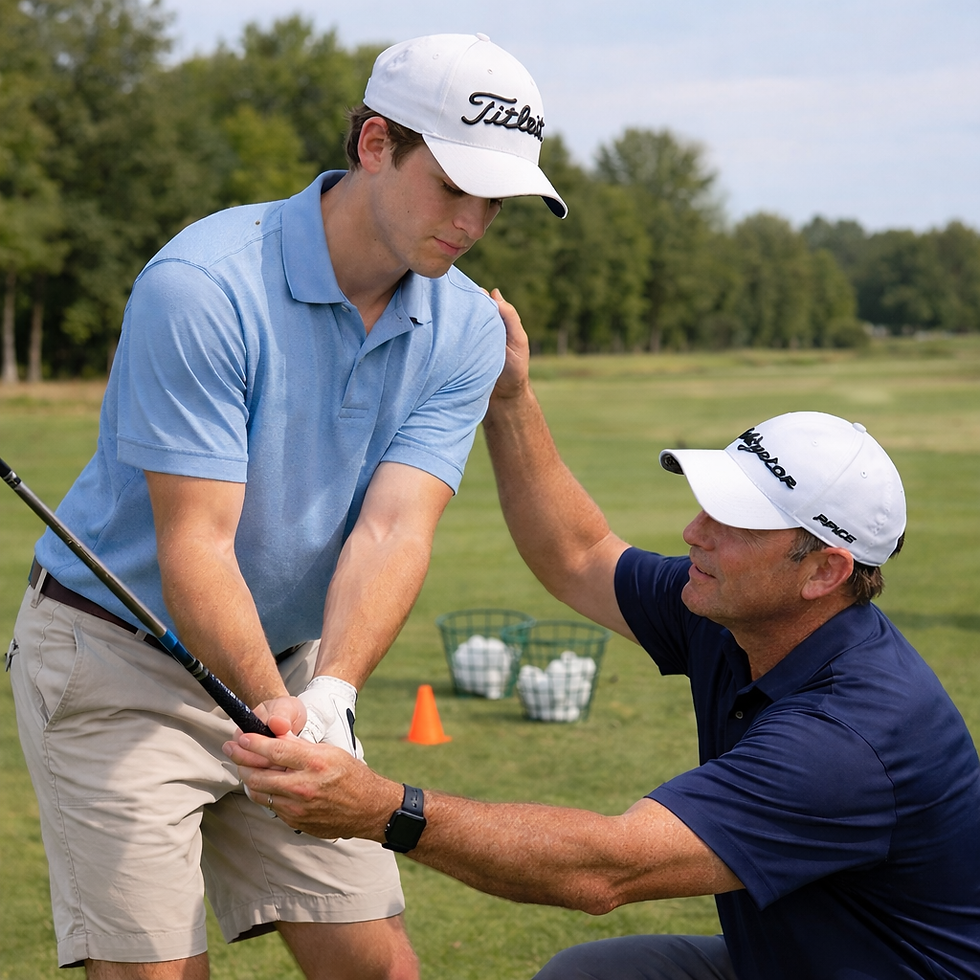
I am Michael LaBella, an expert golf coach at MLaB Golf, located at Butler Country Club. I have been coaching golfers for more than 10 years.
Over these years, as a coach, I have experienced how starting early with coaching created better opportunities for junior golfers in the future. I believe early training is an essential element in college prep for junior golfers. It helps in building discipline, skills, and confidence from an early age.
For young golfers who aim to play at the collegiate level, timing and structure are everything. From understanding recruiting regulations to building a credible tournament record and online presence, each step plays a crucial role in shaping a player’s future.
What is the Recruiting Timeline?
Many parents assume that there’s plenty of time when a junior golfer is entering high school. However, in college golf recruiting, the process begins before official communication is allowed.
Under NCAA Division 1 rules, college coaches cannot personally contact athletes until June 15 following their sophomore year. However, long before that date, many coaches reviewed tournament leaderboards. They track junior golf rankings and identify players who show consistency in their performance under pressure.
Recruiting is an ongoing evaluation, not a single event. By the time coaches can officially reach out, most coaches already have a short list of players they’ve been monitoring for over a year.
As Auburn University’s Head Coach Nick Clinard explains,
“Most recruits contact coaches around the ninth grade, and sending a resume, academic info, references, and a tournament schedule is helpful. Players reaching out once a month shows genuine interest.”
That communication ensures that the golfer is being noticed when official recruiting begins.
How To Build a Competitive Tournament Resume?
Participating in early competition is essential for golfers. Coaches want to see how athletes perform over time, across different course conditions and competitive fields.
Junior tours such as the Hurricane Junior Golf Tour (HJGT), the American Junior Golf Association (AJGA), and the GolfWeek Junior Tour, are considered the best platforms to test skills and build a good playing record. Participating in local, regional, and national events is essential for college prep for junior golfers, as it helps them to understand the golf course challenges.
Coaches pay attention to improvement patterns in golfers' games. They analyze how players recover from setbacks, handle pressure, and adapt to challenges.
By maintaining a tournament log, noting scores, weather conditions, and finishes, golfers can analyze their performance over time. This becomes a professional tournament resume that helps coaches assess growth and competitiveness.
Building a Strong Online Recruiting Profile
Maintaining an online presence has become an essential element for golf for beginners. Platforms such as Junior Golf Hub and NCSA allow student-athletes to display all key information, like tournament results, swing videos, GPA, test scores, and personal statements.
Recruiting coach Brian Schiffbauer from NCSA says,
“The athletes who stand out are the ones who already have profiles built and begin networking by their sophomore year.”
An online profile is a powerful networking tool for golf for beginners. Even before direct communication, college coaches often browse these platforms to recruit them.
How to Optimize Your Recruiting Profile?
Making a strong recruiting profile helps the young golfers get noticed easily by the coach. I, Michael LaBella, will guide you on making an appealing recruiting profile.
Start by uploading high-quality swing and course videos that highlight both technical skills and game management.
Keep academic and test records updated to demonstrate balance and discipline.
Record detailed tournament performance data with verified sources.
Add a personal statement that outlines goals, values, and motivation for college golf.
A well-updated profile is essential for college prep for junior golfers. It displays the professionalism and dedication of the young golfer.
Step-by-Step Process for College Prep for Junior Golfers
Here is a simple process that will help you prepare well for college-level competitions.
Start Early: Start participating in golf tournaments by eighth or ninth grade.
Prepare a Resume: Keep a record of tournament results, coaching recommendations, and performance.
Start Contacting: Send brief, professional emails to college coaches showing interest and sharing updates.
Create an Online Profile: Use recruiting platforms to display your scores, videos, and achievements.
Stay Consistent: Update information and maintain communication regularly.
Seek Guidance: Work with qualified coaches or recruiting mentors familiar with the NCAA and junior golf pathways.
By following this process, you can remain visible to coaches, which will ultimately help you in the recruitment process.
When it comes to college prep for junior golfers, time is your most valuable resource. Success in recruiting is through foresight, consistency, and communication.
Frequently Asked Questions
When should junior golfers in Pennsylvania start their training for being recruited?
It should start as early as possible. Coaches in Pennsylvania start monitoring the performance of young golfers before they are in ninth grade.
How can Pennsylvania golfers get noticed by college coaches?
These days, it’s essential for young golfers to create strong online profiles that highlight their events, tournaments, and achievements. Platforms like Junior Golf Hub and NCSA are great platforms to build a portfolio.


Comments