
Junior Golf Lessons: How Tailored Training Shapes Long-Term Growth

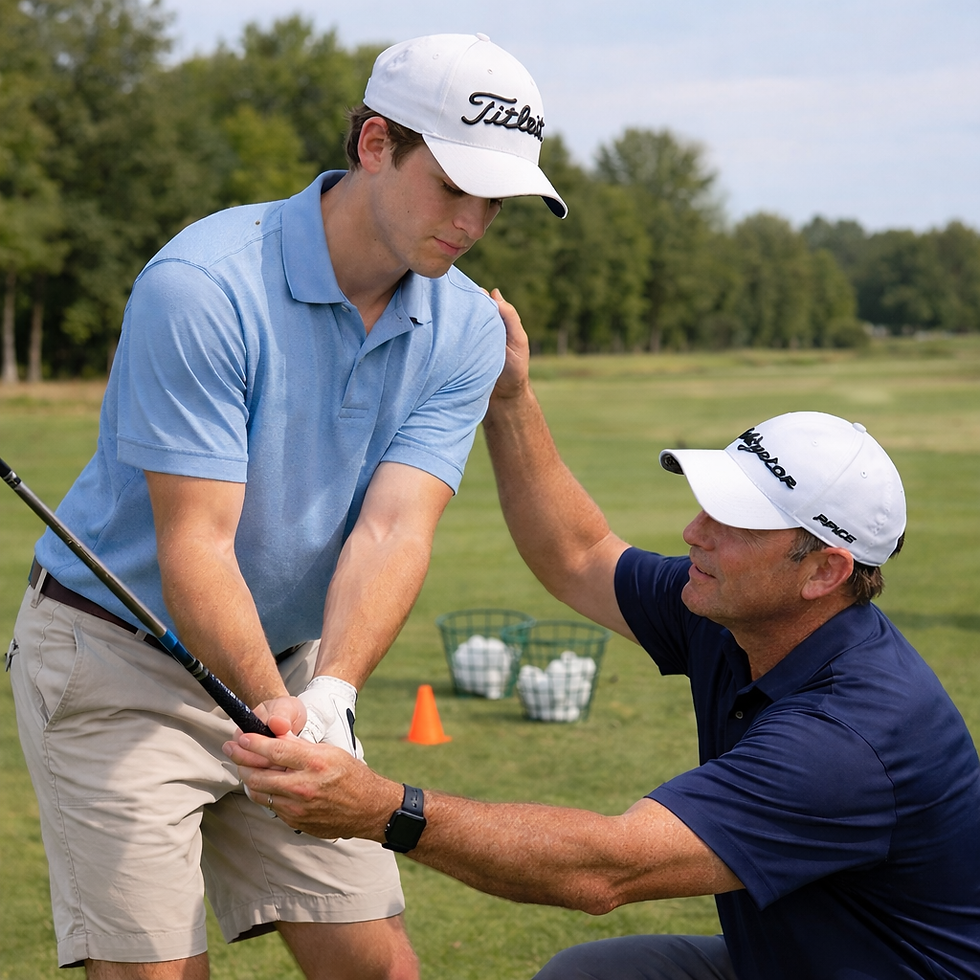
Golf is a game that rewards patience, structure, and thoughtful development more than almost any other sport. A child who steps onto a driving range for the first time is not simply learning how to hit a ball. They are beginning a long process that can shape their athletic habits, mental discipline, and approach to competition for years to come.
As a coach who works daily with developing players at different stages of their journey, I focus on guiding juniors through structured skill building, mental training, and performance preparation that evolves as they grow.
I am Michael LaBella, a performance golf coach at MLaB Golf located at Butler Country Club, and I have spent more than 15 years working with golfers at different stages of development.
I believe the early years in golf are particularly influential because they establish how a young player understands movement, practice, pressure, and improvement. Golf is one such sport that demands precision, awareness, and emotional control.
This makes junior instruction especially important. When golf lessons are carefully designed around a child’s physical growth, learning style, and goals, the impact goes far beyond swing mechanics. It builds a foundation for consistent progress, confidence, and long-term engagement with the game.
Why Does Junior Golf Require a Tailored Approach?
Many instructional programs treat all players the same, but junior golfers are constantly changing. Their bodies grow, their coordination improves, their understanding deepens, and their emotional maturity develops over time. Due to this, effective coaching cannot be static. It must adapt continuously to the player in front of it.
A truly tailored junior program considers multiple aspects of development. Physical growth affects swing mechanics, flexibility, and power. Cognitive development influences how well a junior can process feedback and apply concepts. Emotional maturity determines how they handle frustration, competition, and setbacks. Competitive goals shape how seriously training should be structured.
When all of these elements are considered together, coaching becomes more than technical instruction. It becomes a mentorship that guides young athletes toward both better performance and stronger character.
Building Strong Foundations Before Technical Perfection
In the earliest stages of learning golf, the priority should never be mechanical perfection. Instead, the focus must be on creating reliable fundamentals that feel natural and repeatable. This includes developing a comfortable grip, balanced posture, and an athletic stance that supports movement rather than restricts it.
Young players learn best through clear explanation and experience rather than rigid rules. A good coach helps juniors understand how their body moves, how the club interacts with the ball, and why certain positions are more effective than others. This builds awareness rather than dependency on constant correction.
Equally important at this stage is maintaining enjoyment. Fun practice games, short game challenges, and early exposure to real course play help juniors connect what they learn in lessons to actual golfing situations. When a child enjoys learning, they stay motivated to improve.
Developing Skill, Awareness, and Understanding
As juniors gain experience, instruction naturally becomes more structured and intentional. At this point, lessons begin to emphasize consistency, decision making, and situational awareness rather than basic mechanics alone.
Instead of simply repeating drills, young golfers start to understand cause and effect in their swing. They recognize how small changes in alignment, tempo, or balance influence ball flight. This awareness allows them to practice more effectively and begin solving problems on their own.
Coaching during this phase also incorporates realistic playing situations. Rather than hitting endless shots on the range, juniors practice under simulated pressure, play scoring games, and work through decision-making scenarios. This helps them transition smoothly from practice to performance.
Mental training becomes more prominent as well. Golf is as much a psychological game as a physical one. Juniors learn how to stay focused, manage frustration, and maintain confidence even when things do not go perfectly.
Integrating Athletic Development into Golf Training
Modern golf requires strength, flexibility, balance, and coordination. Junior golfers benefit greatly when athletic development is woven into their training rather than treated as a separate activity.
Coaching programs that include movement drills, balance exercises, and mobility training help juniors develop swings that grow with their bodies. This prevents bad habits from forming and supports long-term physical health.
As juniors get stronger and taller, their swings naturally change. A coach who monitors this progression can adjust instruction accordingly, ensuring that technique evolves alongside physical development.
Preparing Juniors for Competitive Play
For players who aspire to compete, tailored training becomes even more critical. Success in tournaments depends on far more than technical skill. It requires mental toughness, strategic thinking, and emotional control.
Competitive juniors learn how to build reliable pre-shot routines, manage nerves, and make smart decisions under pressure. They also develop the ability to analyze their performance after a round without being overly self-critical.
At this stage, tracking progress becomes an important part of development. Juniors begin to reflect on patterns in their play, identify strengths and weaknesses, and set meaningful goals. This structured approach keeps improvement focused and measurable.
Coach’s Role in Shaping Long-Term Growth
A strong junior coach is not just an instructor but a guide, mentor, and educator. The best coaches teach young players how to think like golfers rather than simply telling them what to do.
This involves explaining concepts clearly, setting realistic expectations, and helping juniors understand that improvement is a gradual process. It also means fostering confidence, encouraging effort, and celebrating progress rather than only results.
Over time, this relationship builds trust. When juniors trust their coach, they are more willing to commit to practice, accept feedback, and embrace challenges.
Importance of Supportive Parents
Parents play a powerful role in a junior golfer’s experience. Their encouragement, attitude, and involvement can either strengthen or weaken a child’s development.
The most effective parents support their child’s efforts without putting excessive pressure on performance. They trust the coaching process, allow the coach to lead instruction, and emphasize enjoyment over winning.
When parents, coaches, and players work together, the learning environment becomes far more productive and positive.
Long-Term Benefits Beyond Golf
The lessons juniors learn through golf extend far beyond the course. The game teaches patience, discipline, problem-solving, and emotional resilience. Young players who receive thoughtful coaching develop a mindset that values growth, effort, and continuous learning.
These qualities serve them well in academics, relationships, and future careers. In this sense, junior golf instruction is not just about creating better golfers but helping shape well-rounded individuals.
Guiding Juniors Toward Their Next Level
Whether a young player aims to play recreationally, compete in tournaments, or pursue college golf, tailored coaching provides a clear pathway forward. By aligning instruction with each player’s goals and stage of development, coaches help juniors move confidently toward their next challenge.
Whenever a junior golfer reaches a new stage in their development, I collaborate closely with them and their families to ensure structured, confident progression toward their goals.
If guidance is needed at any stage of this process, I, Michael LaBella, work through MLaB Golf to help junior golfers prepare for the next level with confidence.
Frequently Asked Questions
1. What is the best age to start junior golf lessons?
Most children are ready to begin structured instruction between ages six and eight, depending on their coordination, attention span, and interest in the game.
2. How often should juniors take lessons?
For beginners, lessons every two to four weeks work well. More advanced juniors may benefit from weekly sessions combined with structured practice.
3. Are private or group lessons better for juniors?
Both formats have value. Group lessons build social skills and enjoyment, while private lessons provide personalized technical development.
4. Do junior lessons include mental training?
Yes. Effective junior coaching integrates focus, confidence, and emotional management into regular instruction.
5. How can parents best support their junior golfer? Parents should encourage effort, trust the coach, maintain a positive attitude, and focus on long-term development rather than short-term results.


Comments