
Junior Golf Lessons: How Often Should Young Golfers Practice?


For junior golfers, learning how often to practice, and practicing with intent, can be just as important as learning the mechanics of the swing.
Parents and young players often ask how often juniors should practice to improve their skills while still maintaining balance in school, other activities, and personal growth.
Junior golf lessons often address this question by focusing on age-appropriate training schedules and development stages. Practice routines that work for teenagers may not be suitable for younger children.
The needs of a beginner are very different from those of a competitive junior golfer. Understanding these differences can help families create a structured but flexible approach to practice.
I am Michael LaBella, a performance golf coach at MLaB Golf at Butler Country Club, and I have spent more than fifteen years working with golfers at many stages of development.
Through this experience, it becomes clear that junior golfers benefit most from practice routines that evolve gradually as they grow physically, mentally, and technically.
Why Practice Structure is Essential for Junior Golfers
Practice is a fundamental part of golf improvement, but the structure of practice sessions is especially important for young players. Juniors are still developing coordination, balance, and athletic awareness, and as they grow this can all change in an instant.
Due to this, practice sessions are often designed to combine skill building with movement, creativity, and enjoyment. A well-structured routine helps young golfers understand how to work on their skills without becoming overwhelmed.
It can also help prevent burnout, which sometimes occurs when young athletes feel too much pressure to train for long hours without clear direction. Many junior golf programs emphasize quality practice rather than simply increasing the number of swings taken during a session.
Practice Guidelines for Ages 6 to 8
Children in the 6 to 8 age group are often introduced to golf through games and simple skill-based activities. At this stage, practice sessions are typically short and designed to keep the experience enjoyable.
Young players in this age range may practice two to three days per week for around twenty to thirty minutes. The focus during these sessions is usually on fun activities that encourage creativity and curiosity about the sport.
Target games, obstacle challenges, and playful competitions are common ways to help children learn basic skills. During this stage, instructors often prioritize developing a positive relationship with the game rather than emphasizing technical swing changes. This foundation can help young golfers stay motivated and interested in learning more as they grow older.
Practice Guidelines for Ages 9 to 11
As junior golfers move into the 9 to 11 age range, their practice sessions may become slightly longer and more structured. Many players in this stage practice three to four days per week for approximately thirty to forty five minutes at a time.
The focus begins to shift toward building fundamental golf skills. Juniors may start working on grip, posture, alignment, and basic swing mechanics. Short game activities such as chipping and putting games are also common components of practice sessions.
Athletic development is often included as well. Activities like jumping, throwing, and sprinting can help young golfers improve coordination and balance. These movements support golf performance while also encouraging general athletic development.
This stage is often viewed as a period of skill exploration where juniors continue building their foundation while still maintaining a sense of enjoyment and curiosity about the game.
Practice Guidelines for Ages 12 to 14
The early teenage years are often a time when junior golfers begin to develop stronger technical skills and a deeper understanding of the game. Practice frequency may increase to four to five days per week, with sessions lasting around one hour.
At this stage, players often begin learning how to practice with greater intention. Practice sessions may include a combination of block practice and random practice.
Block practice involves repeating the same skill or shot type several times in a row. Random practice introduces variety by changing targets or shot types frequently.
Junior golfers may also start incorporating light physical training to support strength, mobility, and overall athletic ability. Physical development during this stage can play a role in swing mechanics and injury prevention.
This age group is sometimes where progress begins to slow for players who lack structured practice routines. Learning how to practice effectively becomes an important part of long-term development.
Practice Guidelines for Ages 15 to 18
Older junior golfers often move toward more intentional practice routines, particularly if they are preparing for tournaments or competitive play. Many players in the 15 to 18 age range practice five to six days per week with sessions lasting between 75 and 120 minutes.
Practice sessions may include a variety of elements such as full swing work, short game drills, course strategy exercises, and scoring practice. Players may also begin developing pre-round preparation routines that help them feel comfortable in tournament environments.
Physical training and recovery strategies may become more important during this stage as well. Strength training, flexibility exercises, and proper rest can support performance and overall health.
While practice volume may increase, many coaches emphasize maintaining balance and ensuring that training remains purposeful rather than repetitive without clear goals.
Junior Golfer Practice Guide by Age
Age Group | Practice Frequency | Practice Duration | Main Focus | Key Training Elements |
Age 6 to 8 | 2 to 3 days per week | 20 to 30 minutes | Fun over form | Games, target challenges, creativity, learning to enjoy golf, exploring movement without technical pressure |
Age 9 to 11 | 3 to 4 days per week | 30 to 45 minutes | Building fundamentals | Basic swing fundamentals, short game and putting games, athletic movement such as jumping, throwing, and sprinting, and developing coordination |
Age 12 to 14 | 4 to 5 days per week | About 60 minutes | Skill development | Learning how to practice effectively, combining block practice and random practice, introducing light physical training, and structured improvement plans |
Age 15 to 18 | 5 to 6 days per week | 75 to 120 minutes | Intentional training | Purposeful practice sessions, scoring and short game development, physical training and recovery routines, and tournament preparation |
Understanding the Difference Between More Practice and Better Practice
One concept often discussed in junior golf development is the difference between practicing more and practicing effectively. Spending long hours at the driving range does not always lead to meaningful improvement.
Effective practice often includes clear objectives for each session. For example, a player might focus on improving distance control in putting or learning how to shape different shot trajectories. Having a specific goal can help make practice sessions more productive and engaging.
Another important factor is recovery. Young athletes benefit from adequate rest between training sessions so that both physical and mental energy can be restored. Balanced practice schedules allow juniors to continue improving while also maintaining enthusiasm for the game.
The Role of Coaching in Junior Golf Development
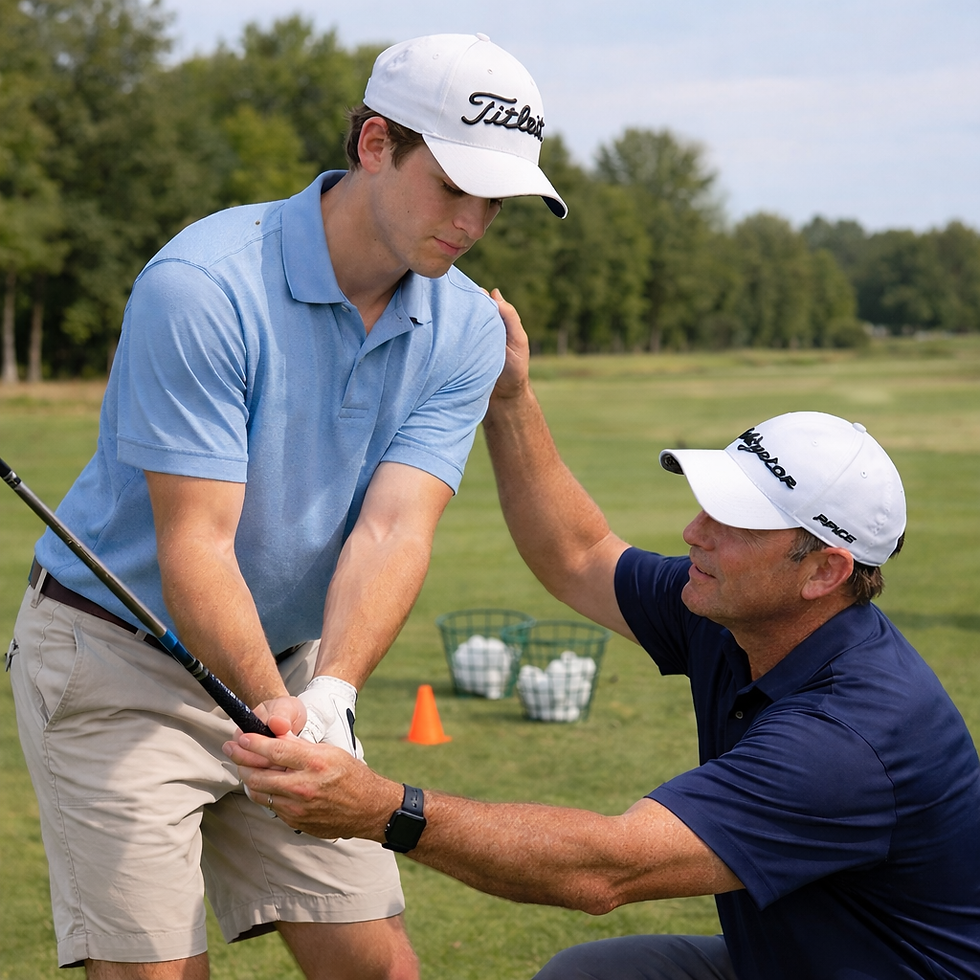
Junior golf lessons can play an important role in guiding practice routines. Coaches often help young players identify appropriate drills, build structured training plans, and monitor progress over time.
Instructors may also help players understand how to adjust their practice as they grow. What works for a beginner may need to change as a golfer develops stronger skills and begins competing at higher levels.
Coaches often encourage juniors to focus on learning processes rather than only on results. This approach can help players stay patient while developing their skills gradually.
Supporting Long-Term Growth in Junior Golf
Junior golf development is typically viewed as a long-term process rather than a quick progression. Young players benefit from gradually increasing practice intensity while maintaining a positive learning environment.
Parents and coaches often play a role in helping juniors maintain balance between practice, school responsibilities, and other interests. A well-rounded approach can support both athletic development and personal growth.
Practice routines that evolve with age, skill level, and personal goals can provide young golfers with opportunities to explore the game while continuing to improve.
If guidance is helpful at any stage of this process, I, Michael LaBella, work through MLaB Golf to support junior golfers as they prepare for the next stages of their development with confidence.
Most Common Mistake in Junior Golf Development
Many young players believe that more practice automatically leads to better results. However, simply spending more time hitting golf balls does not guarantee improvement. The real key to progress is quality practice.
Successful junior golfers follow three essential principles:
1. A Clear Plan Each session should have specific goals such as improving putting distance control, swing tempo, or short game accuracy.
2. Purpose for Every Session Practice should include drills, games, and structured exercises rather than random ball hitting.
3. Proper Recovery Rest and recovery are essential for both physical development and mental focus. Balanced training prevents burnout and supports long-term improvement.
The Golden Rule of Junior Golf Practice
Better practice leads to better golf.
With structured sessions, clear goals, and the right balance of fun and discipline, junior golfers can build strong skills while developing a lifelong passion for the game.
Frequently Asked Questions
How many days per week should junior golfers practice?
Practice frequency often varies depending on the player's age and experience. Younger golfers may practice a few short sessions each week, while older juniors may train more frequently as their skills develop. Also, is your junior looking to play in tournaments or try to play at the collegiate level? These all change the requirements to improve.
Should junior golfers focus more on the driving range or the short game?
Many practice routines include both. Short game activities such as chipping and putting are often considered important parts of skill development alongside full swing practice.
What is the ideal length for a junior golf practice session?
Practice sessions for younger children are often shorter, sometimes around twenty to thirty minutes. Older juniors may train for longer periods depending on their experience and training goals.
Can too much practice affect junior golfers?
In some situations, excessive practice without rest or clear goals may lead to fatigue or frustration. Balanced training schedules with adequate recovery are commonly recommended.
Do junior golfers need coaching to improve?
Coaching can provide structure and feedback that helps young players understand how to practice effectively. However, informal practice and recreational play can also contribute to overall development.


Comments